

When distance separates a person in need of support from their loved ones, technology becomes far more than a comfort tool. It turns into a vital link — sometimes even a safety factor. In this context, entrusting a digital device to an older person or someone living with a disability cannot be taken lightly. Robustness, simplicity and reliability are requirements, not options.
Critical uses, vulnerable users
Unlike mainstream consumer technology, solutions designed for people with reduced autonomy are used in critical situations. They help to:
-
maintain regular contact with caregivers,
-
reduce social isolation,
-
reassure family members,
-
enable quick action when something goes wrong.
These users often face specific constraints: cognitive impairment, fatigue, limited mobility or sensory difficulties. A simple technical issue — a black screen, a drained battery, a complex interaction — can be enough to break the connection, sometimes for hours or even days.
Trust as the foundation of adoption
For caregivers, trusting a digital solution means delegating part of their vigilance. They need to be able to say: “If something isn’t right, I’ll know.”
-
ease of use for the person being supported,
-
service continuity, even in cases of forgetfulness or difficulty,
-
clear and actionable information for caregivers.
A reliable solution is not just one that works when everything goes well — it is one that anticipates risk situations.
L’exemple de Mon Lien Visio : penser aux détails qui comptent
The Homelinks example: focusing on what really matters
Homelinks was designed with this mindset of trust and anticipation. Built to make video communication simple and accessible between supported individuals and caregivers, the solution now includes a feature that clearly illustrates this approach: low-battery alerts.
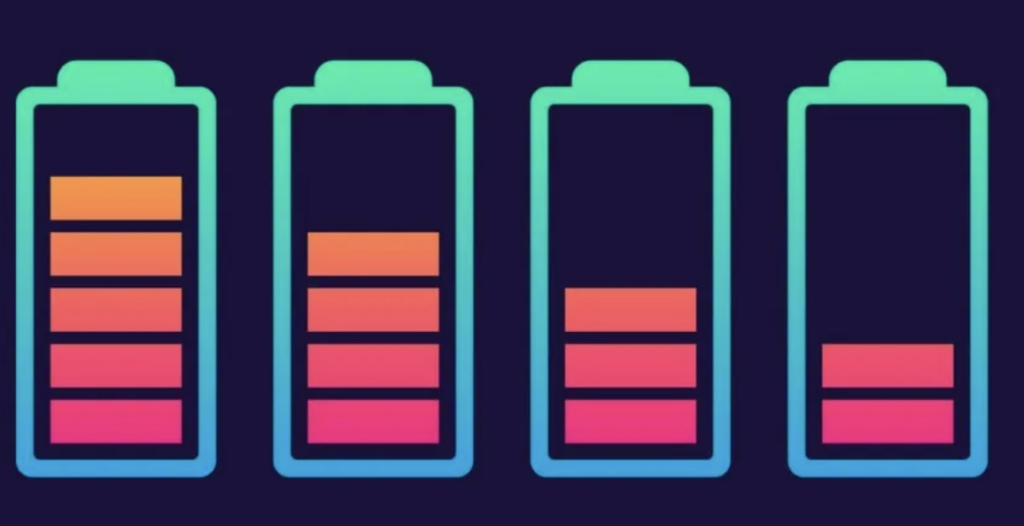
When the tablet used by the supported person reaches 30% battery, a caregiver is automatically notified. This threshold is deliberate:
-
it leaves enough time to act,
-
it prevents sudden service interruptions,
-
it turns a potential technical issue into useful, actionable information.
In practice, a discharged tablet is rarely perceived as a problem by the person using it — but it immediately becomes one for caregivers who suddenly lose contact.
Preventing issues rather than reacting to them
The real value of this alert lies not in the technology itself, but in the philosophy behind it. It shifts the approach from reacting after a connection is lost to preventing the loss altogether.
Being alerted in advance allows caregivers to:
-
call the supported person,
-
contact a home care professional,
-
or simply remind them to plug in the tablet.
Small actions, made possible by timely and reliable information.
Technology in service of human connection — not the other way around
Ultimately, a robust solution is one that fades into the background for the supported person while remaining reassuring and transparent for caregivers. In the fields of ageing and disability, the value of innovation is not measured by technical complexity, but by its ability to secure everyday life without adding burden.
By integrating features such as low-battery alerts, Homelinks reflects a clear conviction: maintaining connection at a distance requires technology that can truly be trusted — designed for real-world use and human vulnerability. Only then can digital tools become genuine allies of autonomy and social connection.